Blog

How to check up on your already existing home insulation

How to check up already Insulation Construction

How to check up on your already existing home insulation

Insulation is crucial to ensuring that one’s home remains energy efficient when it is cool outside. Winters can be very cold and it is very important to get the insulation right. With the right amount of insulation, one can be assured of warmth being retained in the home despite severe cold outside. And with this, the home can be energy efficient, which is not only good for the individual in terms of capital expenditure, but also good for the environment. Without proper insulation done in the house, the energy present in the house might escape through the ceiling or the attic etc resulting in an extra amount of energy being required to keep the house cool.

Here are the different types of insulation one needs to look at:

1) Floor Installation: Insulating one’s floor is another important aspect. A large number of brands are available from Celotex Insulation to certain brands like Kingspan, Recticel, Rockwool and Knauf which are not only big brands when it comes to the material, but are also of a very high quality. And the best part about these brands is they give a warranty and quick fix solutions.

2) Wall insulation: The walls are a very crucial aspect when it comes to insulation. With the right amount of insulation done, a large amount of heat can be retained and this is very crucial. The walls are usually insulated with the help of insulated plasterboard which helps keep the heat inside. There are multiple brands again available from amongst the lot which caters to this requirement, but one of the best one must be Kingspan K17 and Kingspan K18 from the stable of Kingspan insulation.

3) Attic insulation: In case of attics, one needs a high performance minimum dimension material which is not only durable, but also recyclable and which offers a high degree of resistance to any kind of decay. Knauf Earthwool and Isover Spacesaver are well known brands for this type of application.

4) Roof insulation: Roof insulation probably is the most important aspect for insulation. And this is so crucial that the quality of the insulation determines how energy efficient the house will be.

In order to further stop any leaks of warm air when it comes to the insulation, one needs to build a box around a fixture and then secure it with the help of spray foam adhesive or airtight membrane to ensure that any form of air leakage is closed securely. The junction boxes which are placed for the switches and the outlets also need to be mounted on top of the perimeter walls to ensure further arrest of any form of energy leakage that might take place. This sometimes can be quite ugly from an esthetic point of view so if you need to cut in your switches and sockets do it so you minimize air leakage. If necessary, along with the spray foams, gaskets & receptacle trim plates can be installed under the switches.

How to check one’s current insulation for the purpose of leakage

1) Know your material: The difficulty level for this is easy and it is surely a ‘do-it-yourself’ task. Before one begins with the inspection one needs to have a fair bit of idea about the material which has been used for the purpose of insulation. This helps one get aligned when it comes to repairing or filling up the gaps when need be. The two of the most commonly used insulation forms when it comes to the attic include- fiberglass & cellulose blown-in insulation.

(a) Fiberglass insulation: Fiberglass insulation is a lightweight insulation which offers softness and should not settle over time. This despite being the most commonly used insulation type, is not as favorable and energy efficient as the cellulose installation. (b) Cellulose insulation: Cellulose installation mostly consists of recycled paper. The cellulose insulation has a tendency to settle down a bit more as compared to its fiberglass counterpart, as this tends to be a lot dense and is blown in loosely! The advantage it offers is, it is environmentally friendly and offers a better insulation rate thanks to it being a non-toxic recycled product. It is also excellent when it comes to slowing down the flow of air, which directly translates to more energy efficiency during cool weather. However, the disadvantage of this is, it is a fire hazard and hence needs to be treated with a flame retardant to keep the fire at bay.

In some cases, attics might be insulated with the help of batts or insulation rolls. The problem with these are, it might get torn and a professional needs to be called in, in order to take care of the replacing them. If budget permits, one needs to go with rigid board insulation like Celotex or Kingspan & spray foam insulation.

2) Ask questions to understand if one has enough insulation: Once the material used for insulation has been figured out, all one needs to identify is if they have enough insulation in place. In order to do this, one needs to measure the average insulation depth with the help of a plain ruler and deriving the proper R-value. The R-value is the measure of the ability of the insulation done to resist the amount of heat travelling over it. In order to have a higher thermal performance when it comes to the insulation, it is good to have a higher R-Value. The depth of one’s insulation to a large extent depends on the region where one lives and the colder the place; the more will be the depth. One needs to also ensure that the insulation is evenly spread and there are absolutely no missing areas.

3) Installation: The difficulty level for this is moderate. If the insulation is completely in a mess, it is always advisable to ask a professional to do it. If not, one can do it themselves.

In order to begin with the process of insulation, one needs to use an insulation blower if blowing in celulose which tends to break apart any insulation & pushes it using a hose and air. However, if one is doing it by themseves, proper care for installation needs to be taken. With the help of a professional, this headache can be completely avoided.

In order to take care of this professional need and also to buy the materials and brands you require, one can visit http://www.insulation4less.co.uk. And while one picks and chooses their product, any order above the cost of £300, will be shipped free of charge no matter where the location.

Originally published at https://build4less.co.uk/blogs/guides-and-news/how-to-check-up-on-your-already-existing-home-insulation on June 21, 2016.

How to sound proof your home

Noisey Home

How to sound proof your home

Sound proofing is a very important aspect when it comes to the keeping noise at bay. When one lives besides noisy areas like airports, or function halls, highways, etc, there can be a high degree of noise in the background. This noise affects the day to day living for an individual, and hence it is important for them to ensure their home or property is as quiet as possible.

Understanding SoundBefore one goes ahead doing soundproofing, one needs to understand some basic things about sound. Sound is made up of certain low frequency waves which are quite like radio waves. These waves tend to keep travelling in all directions of space until and unless they meet some form of opposition in the form of a wall or a sofa. Sound waves also have a tendency of bouncing off these surfaces which offer resistance creating some form of reverberation in the room. In order to avoid the sound to travel, you can do the following-

  • Create Space: Sound travels and the more the space, the more sound will need to travel. Sound due to its low frequency nature, tends to get less and less powerful as it travels through a large space and this leads to the noise becoming less loud. But as we all know this will not work in a home unless you live in an airport hanger.
  • Create Mass: When heavy items are placed within a space, they tend to absorb the sound, creating less noise. Eg: Thick stone walls can be used for absorbing the sound
  • Stop Sound Vibrations: Sound vibrations when stopped within a room tend to dampen the waves of the sound, suppressing the noise. Ad simple materials like carpets, furniture and some other soft materials aid this cause of dampening of the sound waves.

Understanding about Soundproofing Ratings-
The materials which are used for the purpose of sound proofing places and rooms are all graded for their effectiveness. This grading is known as STC (Sound Transmission Class) rating which helps one identify or understand how much sound can be stopped by different materials. The better and higher the rate, the higher will the soundproofing capabilities of the material. In fact, all the items like insulation, curtains and windows have an STC rating.

How to do Soundproofing

To soundproof a home, the following things need to be looked at-

1)      The Windows: Windows by default are the source where noise travels through, most of the time. Allot of homes have single pane windows which might be installed on a wooden frame. These windows are not good when it comes to offering noise insulation. The following tricks can be tried in order to ensure that less amount of noise travels through- 

  • Buy New Windows which are double or triple paned: Windows which are double paned, come with an acrylic frame which helps keep the noise at bay. The double / triple paned windows typically has an STC rating between 28 to 35. It can easily be said that these panes are more effective to their single paned counterparts, reducing the sound almost by 20%. Add to that the acrylic frames, and the sound reduction capability goes up to 50%.
  • Purchase certain Sound Deadening Drapes: With the purchase of sound deadening drapes, the entering and the exiting of sound can be arrested to a large extent.
  • Make Window Plugs: The window plugs are made out of 1 to 2 inch soundproofing mats which are inserted across the window frames. These plugs tend to form a very tight sound barrier avoiding any kind of gap, which might been left behind.

2)      The Walls: Noise can easily pass through walls which are thin drywall, causing discomfort to those residing within it. The following things can be done, in order to ensure that the walls do not transfer the sound-

  • Adding Drywall: By adding additional layers of the drywall to the existing wall, one can improve the resistance to sound. The thicker the size of the drywall, the more resistance to sound it has on offer.
  • Adding Insulation: One can do the sound proofing of walls and floors by adding insulation. The thicker the insulation or better the material, the better will be the soundproofing. And this is the one of the most crucial aspects in terms of soundproofing. There are several ways in which these insulations can be done and there are several brands which have these insulation products on offer. Some of the most prominent ones include Rockwool Insulation and Knauf Insulation. Under Rockwool Insulation, the following are some of the most used insulation types-

(a)   Rockwool RWA45 – Its a superior quality bonded resin flexible slab which offers excellent thermal, fire and acoustic insulation, is water repellent, easy to install, resists high temperatures of up 1000°C, highly cost effective with almost no maintenance

(b)   Rockwool RW3- It is a semi rigid bonded resin slab which offers great thermal, fire and acoustic performance, easy to cut & install, maintenance free, has a zero ODP & GWP < 5,CFC & HCFC free, highly durable & cost effective with the ability to resist extreme temperatures

(c)   Rockwool RW5- Just like RWA45, it is a good quality bonded resin slab which offers excellent thermal, acoustic & fire insulation while being water repellent and resisting high temperature. They are suitable for curve surface installations.

(d)   Rockwool Flexi-slab- It is a semi rigid acoustic & thermal insulation material made from a volcanic rock, thus making it extremely durable and fire resistant. The advantage of this is, it comes with a very innovative one-sided flexible edge which allows for a perfect fit. These slabs are made up of 97% recyclable & renewable materials which are easy to install, which produce no waste and have no GWP & ODP potential.

(e)   Rockwool Rollbatt- It is a medium density, multi-functional, lightweight insulation matt, which is economical, maintenance-free, non-combustible & water repellent. It offers excellent thermal characteristics while being environmentally friendly.

(f)    Knauf RS45, Knauf RS60and Knauf RS100- It is an unfaced, rock mineral material wool slab, having densities ranging from 33 to almost 200 kg/m3. The advantages of these slab include, they are odorless, rot proof, non-hygroscopic, rot proof, lightweight and easy to install and handle.

(g)   Knauf Acoustic Partition Roll- It is a very flexible mineral glass wool quilt having lightweight, non-combustible, flexible and resilient property. These are manufactured to a density of density of 10kg/m3. They are odorless, non-hygroscopic, rot proof, offering exceptional acoustic absorption quality.

  • Adding Wall Coverings: When one cannot do wall insulation, they need to cover the walls with wall coverings. They can be done simply by painting to suit the wall décor.

3)      The Ceiling: When it comes to ceiling, one can do floor installations or do proper carpeting in order to ensure that soundproofing takes place.

In order to know more, or to buy the insulation products, one can visit http://www.insulation4less.co.uk. For all the orders above £300, one will get a free nationwide delivery.

Originally published at https://build4less.co.uk/blogs/guides-and-news/how-to-sound-proof-your-home on June 21, 2016.

Install Sheep Wool Insulation for a Healthy Body and Environment

Install Sheep Wool Insulation for a Healthy Body and Environment

It has been aptly marked by someone that we get the output as per the input supplied. The same is applicable in terms of insulating our homes. As we strive to drive awareness followed by respecting sustainability cum good health, these techniques provide an in road to sustainable products that can contribute to good overall health within a building.

Why Go Sheepwool for Insulation?

Sheepwool Insulation or as it is known also by Natural Insulation contributes a lot in the reduction of heat loss thus saving money on heating bills. Apart from that, you will be astonished by the comfortable climate that Sheep Wool insulation will serve as a buffer between the exterior and interior environments by controlling heat loss, air humidity and nasty chemicals floating through the air that you cannot see. Yes Sheepwool Insulation absorbs all the nasty chemicals in the air and purifies it.

Present day, people are starting understand the benefits of sheep wool insulation for their homes. Simply because of the above reasons but still there are so many out there that do not realise why you would use Sheepwool insulation and these people just look at the price tag and not the real benefits over existing Glasswool or Rockwool products.

Why Natural Wool is a Preferred Insulation Over other Materials?

If somebody asks you to name the material that is safe for user as well as environment, your answer will definitely be none other than sheep wool. With the conductivity of wool being 0.039W/mK and better, it has been rated as the best in comparison to others. With its low conductivity, it really becomes difficult to pass heat from one side to another.

As sheep wool insulation is able to absorb moisture naturally from the atmosphere, there remains no need for vapor barriers as the cortex is hydrophilic. As a result it easily absorbs a good amount of moisture. Also, the material can be easily placed between joists and directly on top of the ceiling. Though spacing between joists varies from one house to another, but generally a distance of 370mm is considered to be the average.

Installation of Sheep Insulation – Made Easy

It is better to leave a gap of about 50mm between the insulation and say a roof covering to allow the ease of air circulation through the attic. You may also place the insulation under electrical wiring in order to avoid unnecessary overheating. As sheep wool insulation is very much easy in terms of handling, by following some basic instructions it will become easier in its installation. First of all it is advised to take enough sheep wool up into the attic in one go in order to complete the job without the need to keep going up and down to get more rolls. Also, you may spread it around for ease in terms of accessing. In order to provide the best support, it is best to place kneeling boards across ceiling joists. By starting at the furthest point from the attic door you will be able to work your way out of the attic. Its also easy easy to block ventilated eaves so be aware of these when insulating and leave enough space for your air to travel between the insulation and roof.

Amount of Insulation – Depends Upon the House Type

You may take help of positioning sticks in order to lay rolls to reach towards difficult areas. But at the time of installation, be careful regarding the fact that gas vent and exhaust fans do not get covered. It is a good idea to leave a gap of around 50mm all around chimneys, recessed lights and flues to let easy breathing of these facilities. Its easy to get carried away and a bit lazy when insulating in the hard to reach areas and cover these facilities but be vigilant and make sure you take the time out to ensure you dont, even if your back is aching from bending into these areas.

In order to fit gaps along uneven widths in joists or rafters, it is advised to trim rolls to fit best. Finally, fixing a small roll of sheep wool on the top of your attic cover / door will lead to a successful completion of the job. One thing to note is that the amount of insulation required will solely depend upon the type of house you have. Standard thickness required in the UK is 270mm but most people will install 300mm as its just as easy, 150mm x 2 or 3 x 100mm overlaid in opposite directions.

How Clean Is Your Sheep Wool Insulation?

Our 100% Sheepwool insulation goes through a rigorous cleaning process during manufacture to ensure your wool reaches you in perfect condition. No chemicals are used during this process other than warm soapy water to clean the insulation in a number of baths over time.

Our 100% Sheep Wool has become highly popular in both UK as well as Irish markets due to high humid climate and the products ability to assist in the regulation of moisture / humidity and the products ability to absorb VOC’s.

No other insulation product on the market can do this hence this is why Sheep wool insulation is a must for any home or building.

Insulation4less are the industry experts on all sheep wool and natural insulation products. Feel free to give us a call to discuss and our experts will be more than happy to assist in answering any questions you may have. By simply clicking this link insulation4less.co.uk, you can fetch the best Natural insulation products that will meet your needs at the fullest. We offer Free Delivery nationwide for orders above £300.

The importance of sound insulation in buildings

A soundly constructed building is an example of fine architecture, mesmerizing facade, and integrated science.

Noise pollution doesn’t need an introduction as everyone is much aware of its causes and results. By understanding the nuances of sound like quality, pitch, and timbre; you step into the shoes of an acoustic consultant and begin to anticipate soundproofing solutions which fit best in your situation.

The workout of theories and algorithms in the construction process is highly acknowledged to shape a place which is worth living.

While designing a blueprint, an architecture works on measurements, focus on designing and checks on quality understanding the importance of survival.

The standard protocols of building industry take into account sustainability which means designing buildings which inspire to live. Economically savvy, socially ethical and environmentally benign are the three genres of building process which a builder keeps in mind while working on projects.

Sound is a reality but peace is the truth!

If a place doesn’t deliver a sense of peace, then it isn’t generating the total value. A mediocre person finds life at peaceful places where he/she tries to gather the lost energy. Noise is a cause for distraction which takes the focus away and lowers productivity.

Be it working at a place and living in a society; buildings are important to be sound proof. On road construction work, loud parties, and quarreling people are nothing but the reasons for insomnia during nights. The acoustically weak building lets you hear everything that goes next to your room and even can open up confidential information. The sound paves a way to distraction which bogs down overall potential and rail against core interest.

The only solution is turning every corner into a live example of soundproof material. It is essential for the betterment of life, to stabilize nerves and to keep senses calm. A certain degree of high-level noise can grant sleepless nights, regular flights and off track thoughts and you taste the real downfall when you observe the difference in your listening power.

The market is full of sound insulation materials which are affordable to buy and easy to use by following guidelines. Spending a part of the money in sound insulation can save from future disasters and significant losses which can hurt the pocket in an unwanted way.

“Soundproofing is painstaking” for every age group, as students will be able to study without any restlessness, residents will be able to work in peace and moreover managers dont need to resolve any sound issues. An owner should not silently treat architectural, structural and mechanical acoustical solutions as sound insulation is a matter of prime importance to build up noise free areas. Noise control bureau has a set of guidelines which should be interpolated to new constructions while running parallel with technical and economic aspects.

Scientific and practical arenas should primarily encourage sound testing to check the pitch while taking necessary steps to manage the same. Social media platforms are the best to communicate the idea and logic behind soundproofing materials in real time while introducing to the latest insulation materials.

Do you know about direct to reverberant ratio?

Taking a hold over acoustical energy means delimiting the effect of direct radiations while blocking the secondary pathways of its origin.

Direct to reverberant ratio is similar with signal to noise ratio which is purposely calculated to get accurate value of pertaining sound.

A listener is in direct field if D/R ratio is greater than 1. If D/R ratio is less than 1, a listener is in reverberant field. Acoustical control techniques keep all listeners in direct field which save from high pitch sound waves.

The easiest and time saving method to insulate a place is by sealing dead spaces. Distance decides the dissipation of sound energy in the air. With the increase in distance, the intensity decreases and a listener is not able to hear. But over shorter distances, the sound often takes the form of echo and get its other name noise. Root out this problem by closing open penetrations through walls and ceilings which will control reflections and make rooms soundproof.

Another source of sound is vibrating objects which motivate pressure waves in the air. Even sound can render objects to vibrate and restores pressure waves on the objects at different locations but at the lose of acoustical energy. The heavier object requires extra energy to vibrate and leave less energy to restore sound.

Some objects do not answer with vibrations to audible sound thus no pressure waves in the air. That’s why mattresses, curtains and pillows suppress instead of regenerating the existing sound. Soundproof windows are constructed with the above method.

Switch to sound insulation!

It is not necessary to install sound-dampening materials during construction. However, site inspection can give an overview of installation process which you can continue after completion of projects. While soundproofing techniques are out of the eye of many designers, manufacturers believe that remodeling efforts strive to address noise pollution will eventually gain traction with more and more people living in condensed places.

Originally published at https://build4less.co.uk/blogs/guides-and-news/the-importance-of-sound-insulation-in-buildings.

Building Membranes guide

Building membranes are used essentially to prevent moisture and condensation. They are damp proof protection for buildings and are used in roofs, walls, and floors. A building membrane is a thin layer, which provides water-resistance to roof and wall of a building. This layer is continuous, which ensures to stopping water to pass through the membrane.

Under the umbrella of building membranes used in buildings, you will find different sorts of protections, such as breather membranes and vapour control layer. Those two products can sometimes lead to confusion as they both have the same objective, which is to avoid condensation and any resulting damage, but they are different in their application.

In short, a vapour control layer is placed on the inner side of the insulation and will reduce the water transfer vapour from inside the building which otherwise could turn into condensation when warm moist air comes in contact with cold surface inside a building. Watch the video at the bottom of this page if you want a detailed explanation.

Vapour Control Layer

A breather membrane is placed on the outer side of the insulation to stop water from getting into the building while allowing vapour to get out. Thus keeping the inside of the building ventilated. It is water-resistant and forms a protective envelope for construction buildings.

Ventilation has always been an important factor in every insulation structure, and breather membranes have brought a new solution for the construction industry. They are now increasingly used in external walls and roof construction.

Building membranes are made of thin layers of waterproofing material, which is about 2-4 mm in thickness. Essentially, there are two types of membranes

  1. Liquid applied membranes and
  2. Sheet-based membranes.

Preferably, a waterproofing membrane must be strong, tear-resistant, flexible, and elastic so that it easily stretches to cover cracks as well as move with the building. An exposed membrane to the sun must have the ability to protect itself from UV. In short, it must be UV stable. In addition, it should be flexible to adopt the shape of the surface it is laid over. It must also be capable of turning up over walls as well as other construction features.

Liquid Applied Membranes

Liquid applied membranes usually come to the construction site in liquid form. You can either spray or apply it on the surface using a brush. The liquid cures in the air in order to form a joint-free and seamless membrane. You can control the thickness by applying more liquid per unit area.

Because the application process is quick, a professional contractor usually tries to finish the entire area in a single day to overcome the problem of cold joints. Nonetheless, if the contractor wants to finish a large area on successive days, he can easily do it by overlapping the new membrane over the old one so that the chemical sticks to itself readily.

Liquid applied membranes are considered superior to sheet-based membranes because they are joint-free. It is important to take care of the application for the provision of the right thickness. If it is too thin, it can break or tear easily. You must also take care of the membrane adhesion to concrete.

Sheet Based Membranes

These membranes arrive at the construction site in the form of rolls. The contractor then unfurls and lay them on a solid surface. Bituminous is a common type of sheet-based membrane and is stuck to the substrate using a hot tar-based adhesive with the help of blowtorches.

Moreover, the same hot adhesive is used to make joints between the adjacent membranes. The professionals then overlap the sheets by 100mm to form a waterproof joint. A professional, sometimes, join the membranes by melting them using a hot air gun. Next, the contractor overlaps them on the sheet that is laid previously.

Joints between the sheets are critical with this type of membrane. So, your contractor must carry out the procedure accurately to avoid leakage. Composite and PVC membranes are other types of sheet-based membranes. Composite membranes have a fabric base, which provides tear-resistance and strength to the material. A chemical coat to the fabric also provides good resistance.

While choosing building membranes, you need to consider a few factors such as UV stability, elongation, breathability, tear resistance, abrasion resistance, chemical stability, food safety, and geometry.

Roofing membranes

Building membranes used in roofs are called roofing membranes and are used in both commercial and residential buildings.

As mentioned above, one of the big issues with insulation is centred on getting the ventilation right and roof ventilation is essential to prevent condensation, particularly in a newly insulated loft.

Traditional insulation systems were designed around the necessity to have a ventilated cavity to solve that issue. But in the last 20 years building membranes have provided a different approach to ventilation by introducing breathable membranes that allow moist air to escape while stopping water from entering the structure.

Membrane roofing is best used on flat and pitched roofs. The purpose is to offer warmth and insulation as well as protect the building beneath. Also, membrane roofing is beneficial for moving water off the roof and prevent it from entering the house. Roofing membranes are commonly manufactured from modified bitumen, synthetic rubber, or a thermoplastic such as PVC. They are common in both residential and commercial buildings.

Thermoplastic membranes: Also known as TPO membranes, they are usually bonded with solvents or heat and not welded to form a single membrane. The reason is to make the seam must stronger than the rest of the material on the roof.

Synthetic rubber membranes: These consist of many synthetic rubber pieces, which are large and flat in structure. All pieces are welded together to create a single entity of equal strength throughout the roof.

Advantages of Roofing Membranes

Membrane roofing is much superior to the conventional flat roofing methods of gravel, asphalt, and felt, which have shorter lifespans and quite difficult to seal properly. Also, the traditional roofing methods tend to leak within a couple of years and require regular maintenance.

Additionally, if a leak occurs on asphalt or felt roof, it would not be easy to locate the exact point, which needs repairing. This results in costly damages to the building below. A roofing membrane is made of strong material, which can be installed completely seamless or with seams. A leak or break occurs rarely and even if it occurs, you can quickly pinpoint the source of damage and repair the spot.

Asphalt needs gravel to limit UV degradation and sunlight. A roofing membrane is installed directly to a building, which does not only protect the roof or building from UV rays but is also lightweight in structure.

Wall membranes

Wall membranes are also known as waterproof membranes or cavity wall membranes. A wall membrane is a damp wall solution, which is applied internally. It works to manage and control water ingress within gaps formed between the basement or cellar wall and cavity wall membranes. Then, the water is directed to a suitable sump pump or drainage system.

It is easy to install wall membranes. You can easily maintain them as they are supported by 10-12 years waterproofing guarantee. In contrast to other forms of wall waterproofing, wall membranes are not prone to cracking when there is external hydrostatic pressure.

Wall membranes are not affected by ground vibrations that come from nearby rail tracks or roads. If you want to turn your cellar or basement into an awesome space like other rooms in your house, it is important that you dry line or apply plaster directly on them. It is the best solution when it comes to the conversion of a domestic basement.

Originally published at https://build4less.co.uk/collections/building-membranes.

Roof Windows

For many, the loft is a special part of the house. It’s usually a bright place where people can retreat to enjoy comfort and quietness, tower tranquillity away from the madness of everyday life. And one item plays a significant role in enhancing the quality of your loft, the roof windows.

Why should install roof windows?

  • Remodelling your roof with windows is much less complicated than you might imagine. Apart from the aesthetic level, they also carry a series of benefits for the quality of your home. Whether its a pitched roof window or a flat roof window, manufacturers like Fakro or Velux have multiple options to fit all situations.
  • Greater Luminosity: Natural daylight has been used for centuries as the main source of light and has been an integral part of every building over the centuries from ancient Egypt & the Incas to this day.
  • In addition, not only does it replace electric light during the day, which reduces the use of energy for lighting, but it also influences heating and cooling loads making it an important parameter to consider from the point of view of energy efficiency.
  • Recent research has shown that daylight provides a number of health and comfort benefits that make it essential for building occupants.
  • Daylight is associated with:
  1. A positive attitude.
  2. Less fatigue
  3. Reduction of vision efforts.

A good quality roof window should provide large amounts of adequate light without glare. While a poor daylight design is frustrating, it also carries hidden energy costs as it will need to be supplemented with electrical lighting.

Good ventilation: This is primordial given that most people spend 90% of their time indoors. The air you breathe has a considerable impact on your health and well-being.

Indeed, indoor air quality directly influences:

  • Comfort
  • Health (Moisture in buildings can cause diseases such as asthma)
  • Performance (High-quality indoor air can improve mental performance and overall well-being)

Thermal comfort: Thermal comfort is key to get the right living conditions, and roof windows allow this to happen in a simple way. By regulating the temperature without requiring energy or money, your roof windows will directly influence key aspects of your daily life, such as the quality of sleep, productivity and learning.

Protection from unwanted noise: modern roof windows are designed to minimise exterior sound.

Cost of Roof Windows Installation

You will need to allocate a good budget to cover the cost of the windows themselves and the cost of labour required.

If you opt to install a small roof window – i.e. 66×98 cm, then the installation cost will be in the region of £800 to £1100. This includes materials & tools such as a collar, flashing kit, insulation, waste disposal, and roof alterations. In some areas like London, the price can be a bit higher – i.e. £1000 to £1300.

Similarly, if you are looking to install a large roof window – i.e. 134×160 cm, the price of installation range from £1300 to £1600. Usually installed above the staircase and in loft conversions.

Roof windows come in all manners of styles and designs from different brands. There is a wide range of designs and styles to suit every home’s aesthetics.

How to install a roof window

Depending on the roofing material used, the architectural and thermal insulation conditions, roof windows may be installed:

  • At different depths (three landing levels): N (0 cm), V (-3 cm), J (-6 cm)
  • In beams or crate

Roof windows can be installed on roofs with an inclination of 15 degrees to 90 degrees. Installation height may be arbitrary. However, taking into account the operating conditions, visibility and lighting of the room, as well as building patterns, windows should be installed so that the lower edge of the window should be at a height of 170 cm from the ground level.

If the roof is covered with profiled roofing material, the window should be installed at the recommended distance between the top edge of the roof and the bottom edge of the window.

When mounted to rafters, the window is fixed with mounting angles. The distance between the rafters should be proportional to the window width and can be 2 to 5cm longer (for example, for a 55 cm wide window, the ideal distance between the rafters is 57 to 60 cm).

In this case, attention must be paid to placing the transverse beams at the appropriate distance from the lower and upper edges of the window for proper interior decoration (horizontally and vertically).

Mark the window installation location on the hydraulic barrier. Cut a hole in the location marked with a 10 cm margin on each side to secure the hydraulic barrier to the window box. Cut a portion of the box in a prepared place. To install a drainage chute, cut the countershaft fragments and obliquely incise the hydraulic barrier.

Remove the aluminium profile lining 1 and 2 from the window packaging. Disconnect the lower profile cover as well as transport wooden bars from the box window. Remove the window sash from the window box. To do this, install the bottom edge of the window on the floor to make it easy to tilt. Open the window and turn the window 150 degrees.

Remove the window sash according to the specified direction. Perform this operation carefully while removing the frame from the hinges. Failure to do so may result in damage to the loops. Screw the mounting corners to the window housing at a distance of 10 cm from the edge.

Install the window box in the prepared roof area. The mounting angles should be on the studs. Check that the slot in the window box matches the top plane of the slat. If necessary, place a wedge under the corner, set the horizontal. Screw only the bottom corners of the studs with screws.

Insert the casement window into the window box.

For this you will need to:

● Take the flap in your hand, i.e. the outer glass to yourself and the bottom of thewindow upwards.

● Holding the flap upright, insert it into the hinges evenly and without inclination.

● Unscrew the cap screws three turns counterclockwise and close the window.

Open the strip and check the gap parallelism between the strip and the box at the bottom of the window. By placing a plastic wedge from the mounting kit under the upper mounting bracket on the side of a smaller gap, eliminate non-parallelism.

Close the window and check the parallelism of the gap between the strip and box on the sides. If necessary, moving the top of the box left or right eliminates non-parallelism.

Here’s a quick guide from Velux on how to install their new generation roof windows

Originally published at https://build4less.co.uk/collections/roof-windows#category-desc

What are Brick and Block?

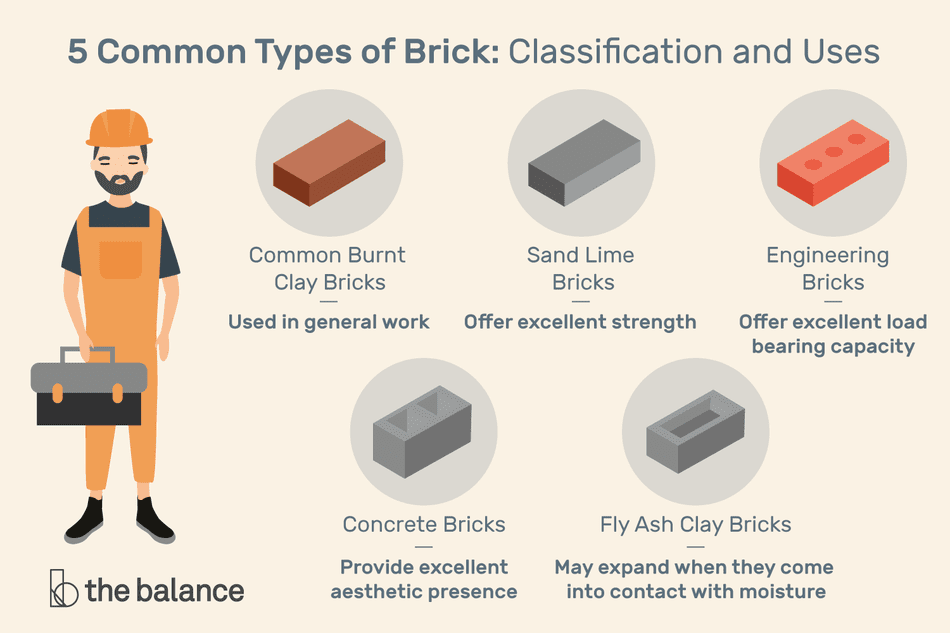
A brick is the most important building material used to make walls, pavements and other element in construction. In olden days the term brick was used to refer a unit composed of clay, but it is now used to denote rectangular material made from shale, calcium silicate clay, clay-bearing soil, concrete or soil material. Bricks are usually merged by interlocking them or using mortar or by adhesives. 

Block is typically larger than brick but is a similar term referring to a rectangular unit composed of aggregates of certainly designed mixtures depending on the strength required and is lightweight.  

What is the difference between bricks and blocks?

The most important difference between blocks and bricks is in the size, composition, shape and weight. Blocks usually are bigger and lightweight and are made from concrete in comparison to brick. Blocks come in both solid and hollow format and are used where strength is important like a load-bearing wall. 

Types of bricks and blocks

Learn the Basics of Brick laying?

What is the difference between facing brick and common standard brick?

The main common difference between facing brick and standard common bricks is the appearance. Facing bricks are made with a smooth look as when it faces the world it should look good whereas on the other hand standard common bricks are strong and durable, but they do not have smooth facing.

Are Bricks and Blocks fireproof?

Concrete blocks have a build-in property of resistance to fire, so it does not require any additional fire protection to fire whereas bricks are usually made in fire kiln, so they have high resistance to fire. Most of the Bricks and blocks are fire rated A1 which are non-flammable in nature. 

Types of concrete blocks used in building construction

  • Hollow concrete blocks
  • Solid concrete blocks 
  • Aerated concrete blocks 
  • Concrete stretcher block 

Advantages of Bricks and blocks 

  • Strong
  • Fire resistant
  • Insect proof material
  • Low maintenance
  • Reliable 
  • Lightweight 
  • Water-resistant
  • Frost resistant
  • Combines thermal and acoustic properties

What is the R-value of the brick and block?

TypeSizeR-Value
Common Brick4”0.80
Face Brick4”0.44
Concrete Masonry Unit (CMU)4”0.80
Concrete Masonry Unit (CMU)8”1.11
Concrete Masonry Unit (CMU)12”1.28
Granite1”0.05
Sandstone / Limestone1“0.08

Advantage of block over brick in construction

  • Blocks are bigger in size then bricks
  • Blocks are lighter than bricks 
  • It reduces the total weight of the building 
  • Heatproof and soundproof blocks can be used as per requirement 

Originally published at https://build4less.co.uk/collections/bricks-and-blocks#category-desc.

Short Guide to Plywood

A typical plywood panel has face veneers of a higher grade than the core veneers. The principal function of the core layers is to increase the separation between the outer layers where the bending stresses are highest, thus increasing the panel’s resistance to bending. As a result, thicker panels can span greater distances under the same loads. In bending, the maximum stress occurs in the outermost layers, one in tension, the other in compression. Bending stress decreases from the maximum at the face layers to nearly zero at the central layer. Shear stress, by contrast, is higher in the center of the panel, and at the outer fibres.

Plywood is a material designed and manufactured from thin layers or plies of wood veneer that are glued together. Plywood is also known as ply or plyboard and is widely used in construction. Plywood sheet is manufactured in three or more thin layers based on the thickness and requirement.

How is plywood manufactured?

Types of plywood

  • Structural plywood

Structural plywood sheet is used on places where high strength is required like for beams, bracing panels and formworks. They are mostly used in permanent structures where strength is needed. Structural ply is superior to all other types because of its strength, high quality and density.

  • Marine plywood

Marine plywood is manufactured from durable face and core veneers. It was specially designed to perform better in wet and humid conditions to resist delaminating and fungal attack.

  • Hardwood plywood

Hardwood plywood is made out of wood from dicot trees likes beech, oak, and mahogany. Hardwood ply is well-known for its stiffness, strength and resistance. Its high impact resistance and strength makes it suitable for heavy-duty floors and wall structure.

  • Softwood plywood

Softwood plywood is usually made of either Douglas fir, cedar or SPF (Spruce, pine, and fir) or redwood and is specially manufactured and used for commercial, industrial or construction purposes. The most common size of ply is 1.2 meters by 2.4 meters. Depending on the thickness and grade of the plywood the number of plies may vary.

  • Birch plywood

Manufactured from various thin layers of birch veneers of the same thickness, glued and placed in alternating directions to gain the required thickness. Birch plywood has excellent strength and is more stable and appealing than that of standard plyboard. Birch plywood is suitable for a wide range of applications like the floor, cabinets, tables, drawer cabinets, and more.

  • Flexible plywood

Flexible plywood is also known as Flexiply or Bendy plywood. Flexible ply is a high-quality bendable sheet material. These are specially designed to cater to various shapes, bends and curves as required by the customers and architects. Flexible plyboard is highly recommended by designers and architects for freestanding curves and other frameworks to develop a wide range of smooth curved surfaces for ceilings, spaces, columns and walls.

  • Other plywoods

Other types of plywood include Pressure-treated plywood, moisture resistant, fire resistant plywood, and wire mesh. These types of plywood sheets are treated with various chemicals to improve the fireproofing and strength of the plyboard. All these types of ply are of high-quality and are specially designed to fill a need in the construction industry.

What are the properties of plywood?

Plywood has various properties which makes it one of the most popular construction materials.

  • High strength

Plywood combines the structural strength of timber from which it is manufactured, with the property obtained from its laminated design. Cross graining of the plies allows the sheet to resist spitting and increase the strength uniformly over the board to increase the stability of the board.

  • Flexibility

Specially designed plywood is very flexible and bendy as it can be manufactured at pretty much any given thickness. Flexible plywood is used for curved surfaces like the internal wall and skateboard ramps.

  • Moisture resistant

Plywood is generally resistant to humidity and moisture due to the adhesive used to bond in the binding process. This resistance to moisture and humidity makes it suitable for exterior use like cladding, sheds and in marine constructions.

  • Fire resistant

Certain layers of chemicals and additives are applied to the ply to increase the fire resistance of the plywood.

  • Chemical resistant

While manufacturing plywood it is treated with preservatives which makes it resistant to corrosion when exposed to chemicals.

  • Impact resistance

Cross lamination of plies gives plywood high tensile strength which makes it resistant to high impact and resists spitting.

  • Insulation

The high quality of thermal and acoustic insulation provided by plywood sheet makes it suitable for roof, walls, ceilings and floors. An extra layer of insulation can be used for better insulation.

  • Water Boil Proof (wbp) Plywood

WBP plyboard is an ultimate solution in extreme weather conditions. Wbp plywood is referred to as “Weather and boil proof Ply” or “water and boil proof plywood” and is used to determine the water-resistance of the ply.

Common uses of Plywood

  • Flooring
  • Furniture
  • Walls
  • External walls
  • Structural systems
  • Stud wall
  • Suspended ceilings
  • Light doors

Here at Build4Less.co.uk we are dedicated to providing our customers with the best products at the best prices possible. If you need any thing or have any question feel free to contact a member of our support on 020 34811978 or via our Live Chat. We have created a massive online store to provide you with all the building materials you need in one place at the best possible prices. We strive to provide a vast product offering and superb customer service that will keep you coming back time and time again. Build4less only chooses those materials that give a lasting value for your investment and also meet all required building regulations.

Originally published at https://build4less.co.uk/collections/plywood#category-desc

What is Plasterboard?

Plasterboard is a panel made of gypsum, sandwiched between a facer and a backer. Construction companies use plasterboards to make ceilings and interior walls. Previously, companies would use lath and plaster, a traditional method to make ceilings and interior walls. However, plasterboards (drywall construction) quickly became a popular alternative.

The standard size of plasterboards is between 9.5 and 12.5 mm – i.e. 3/8 and ½ inches of thickness. Plasterboards with greater thickness have more rigidity. For ceilings and stud partitioning, it has become standard – making it easier for people installing plasterboard as a DIY project.

Professional contractors use plasterboard to line masonry walls internally. The professionals simply attach the sheets to the masonry with a dab of adhesive such as wall linings.

Types of Plasterboards

Insulated board: A type of plasterboard that incorporates an insulating foam layer to the rear side. The purpose is to improve thermal insulation.

Damp-proof board: It has a damp proof membrane such as a coloured silver foil on the rear face.

Moisture resistant board: These types of plasterboards are used in showers, bathrooms, and kitchens. It is resistant to damp and moisture.

Sound insulation board: These are composed of sound-proofing material to reduce noise transmission.

Fire-resistant board: These are designed to offer resistance to fire. Other types of plasterboard also offer some sort of fire resistance but these boards provide much better resistance.

Tapered board: Tapered boards taper in thickness toward the edges. It is the most common style used and in many situations, contractors find it easy to use given that the taper on both pieces butts together. This allows concealing of the joints, which is done using scrim and joint compound in order to fill the depression caused by the tapers.

Untapered board: These boards have square edges. You must skim the surface with plaster to achieve an easily hidden seam.

Size of Plasterboard: Most types of plasterboard comes in 9.5 and/or 12.5 mm thickness. The usual size of a sheet is between 0.9m to 1.2m wide and 1.7 m and 3.6 m in length. Other sizes are available too but cutting down the sheets can result in non-tapered edges.

Plasterboard application

Plasterboard is used to build ceilings and partition walls in any building – such as houses, shops, schools, hospitals, offices, and domestic properties. Today, we have advanced plasterboards with innovative technology, which are used for external sheathing.

Benefits of plasterboard

The use of plasterboard provides a number of benefits. Primarily, it gives a smooth finish. It is used to create innovative features like curved walls. Most of the times, it is regarded as a simple solution for meeting Building Regulations for thermal, moisture, fire, and acoustic performance.

The installation process requires less time and labour. Plasterboards are good for reducing noise and have fire-resistant properties. Most of the plasterboards are not susceptible to water damage – even if exposed to increased levels of damp or moisture over longer periods. Some plasterboards with additives are designed to provide much better water-resistance.

Plasterboard is lightweight, which means they are easy and safer to handle. It likewise reduces the risk of injury and provides a safe, clean, and simple installation process. If you have a small budget, still you can use plasterboard for decoration. It is extremely affordable and provides quality standards for construction or home improvement.

Plasterboards, typically, are made from recyclable materials, which are sustainable resources – providing for a healthy living environment as it is free from hazardous chemicals.

They are easy to repair. You don’t need any complicated tools for repairing. They are also very adaptable. You can move or transfer them easily for changes in the layout – for instance, the renovation purpose.

Drywall vs plasterboard

Although both terms are used interchangeably, there is a considerable difference between the two. Drywall, also known as gypsum board or wallboard, is a sheet used to make ceilings and walls. In contrast, plasterboard has the same function but it is much thicker and harder than drywall.

Plaster vs drywall

Plaster walls provide more durability in finishing than drywall. Drywall is more commonly used in buildings because its installation is easy and affordable. But for a higher quality finish, we recommend plaster.

Can you paint directly onto the plasterboard?

You can paint directly onto plasterboard but make sure you don’t skim it. Some experts recommend the use of a sealer on the plasterboard before painting. For instance, you can use diluted PVA – so once sealed, start the paint job!

Can you waterproof plasterboard?

Yes, but for this, you need to use a moisture-resistant plasterboard. This type of plasterboard is submerged completely in water and is mould resistant.

How to fix plasterboard to walls

The process is easy. The first step is to prepare the wall and cut the boards. Secondly, mix all the required adhesives – i.e. dotting and dabbing the adhesive. Add the plasterboard, fix it taking into consideration the required standards, and finish the wall.

How to install Plasterboard

It is easy to install plasterboard. You just need some good plaster-boarding skills if you opt to plan for your home improvement project.

First of all, you need a tape measure, drill, spirit level, craft knife, screws, bolster chisel, and plaster scrim tape. Let us tell you about the installation process step-by-step.

In the first step, you need to measure the sheets. Make sure the sheets are 10-12 mm less than the floor-to-ceiling height. The next step is to mark the cutting line of the plasterboard’s ivory side. Use a knife craft to cut along it.

Now, turn the plasterboard over and at the same time, fold the end along. This will allow you to have snapped the board by cutting. Cut through the paper backing using a craft knife.

Get help to attach the plasterboard to the frame. It needs two or three people to get the job done.

At the foot of the board, you need to wedge a bolster chisel – then slide a wood off-cut and use your foot in order to press down and use some force to hard it up against the ceiling. You must ensure to fit the plasterboard outwards with the ivory side.

Next, use 32mm screws to fix the board in place. Make sure the intervals are 150 mm and 15 mm away from the edges. Continue fitting the boards in the same manner – cut them and fit them against the adjacent walls and the doorway.

Moreover, if you have a skirting board, notch the plasterboard around it so that it accurately fits. The last step is to finish the joints with tape – in order to give the wall a smooth finish.

Cost of Plasterboard

Generally, plasterboard comes in 1.2 x 2.4 m sheets – i.e. about 2.88 m2. The cost of a single sheet is £35.81 (at £12m2) and £47.75 (at £16m2). Most of the time, you will need 3-4 sheets of plasterboard. Therefore, a single wall will cost between £107 and £140 for three sheets or £190 for four sheets.

Here at Build4Less, we are dedicated to providing our customers with the best products at the best prices possible. Our support team is eager to help and can be contacted by calling 020 34811978 or via our Live Chat.

Originally published at https://build4less.co.uk/collections/plasterboard#category-desc

What is Chipboard?

Chipboard is also known as particleboard and low-density board is an engineered wood product manufactured from wood chips and a synthetic resin or other suitable binders, which is pressed and extruded. Wood particles are glued together with an adhesive, under pressure and heat to manufacture chipboard. Chipboards are available in various sizes and thickness like high density, medium density and normal.

Chipboard sheets or particleboard have excellent mechanical properties and as it is available in various densities makes it best suited for floor decking. According to the environmental conditions, different grades of chipboards are used. Sawdust, wood chips obtained by shredding waste, recycled wood and softwood chips are used to manufacture chipboards. Chipboards sheets are only attractive when coated with melamine.

Chipboards have a significant influence on furniture design marketing from decades. In dry environments, veneered chipboards are preferred over veneered plywood because particleboard is cheap, stable and robust.

What is the difference between OSB and Chipboards?

OSB is essentially a board composed of wood strands, all of which are oriented or arranged in a manner that maximizes durability and strength. Whereas Chipboard is made of small wood particles which are glued together to form a sheet. Materials like sawdust, woodchips, shavings and other shredding waste are used to manufacture chipboards. OSB boards are more durable and sturdy than chipboards.

What is the Difference between Plywood and Particleboard?

Plywood is made from thin layers or piles of wood which is glued together. The wood layer used in plywood is typically made of softer wood like birch. Whereas chipboards are manufactured by using small wood particles which are glued together to form a sheet. Plywood layers are arranged in a cross-grain pattern where in case of particleboard wood shaving, wood particles and sawdust are mixed together with glues.

What is Chipboard Used For?

Depending on the density, chipboard is used for all kinds of different interior building and decorating projects.

The highest-density grades of chipboard are as follows:

lower-density chipboard is also often used for:

What is the Difference between MDF boards and particleboard?

How is chipboard made

What are the advantages and disadvantages of chipboard?

Chipboards offer several advantages over other available alternatives like Plasterboards and OSB boards and plywoods and the advantages are as follows:

1. Cost advantages

Chipboards provide another alternative to solid wood and are reasonably priced. It plays as an economical alternative to solid wood for furniture manufacturing.

2. Environmental friendly

Chipboards are more environmentally friendly than other alternatives as it is manufactured from 70 per cent recycled materials.

3. Attractiveness

Variety of finishes are possible by covering the chipboard with laminate. Laminates like veneers, melamine, decorative laminates, Industrial laminates, and digitally printed laminates. To increase the appearance of the chipboards a sheet of real wood can also be attached n top.

4. Strength and Durability

Chipboard is a sturdy and durable material which under pressure will holp wu well and will protect the shipping item better than corrugated. When chipboard used to manufacture furniture instead of solid wood it will create strong furniture that too without weak spots.

And the disadvantages of Chipboards are as follows:

1. Moisture retention

Chipboards hold any moisture it comes in contact with and retains the moisture like a sponge. The board will swell and become unstable if left wet for a long time.

2. Cutting disadvantages

Chipboard does not cut well and always leave a rough edge. An appearance of a finished edge can be gained by using adhesive caps.

3. Cracking

Particleboards are prone to cracking particularly if you plan to drive nails or screws into the surface.

4. Splintering

Chipboards are also prone to splintering. There are various fasteners available in the market specially designed to use for chipboards but driving these fasteners near the edges of the chipboard is a strong risk and dicey proposition.

5. Adhesive Issues

When the adhesive fails when used with chipboard either because of improper application or heavy load. It will often pull a large piece of Chips with it and will damage the board.

Why is chipboard used for kitchen worktops?

High-density chipboards are rigid and hard-wearing which make them ideal for use as the carcass for a kitchen unit, Flooring and Worktops.

Can you waterproof chipboard?

There is no such thing as waterproof chipboard. Moisture resistant chipboards are available in the market and are better than the standard particleboards but still swells up if left wet for a long time.

Applications

  • The range of product applications for Chipboard Includes:
  • Packaging
  • Interior Doors & Worktops
  • Flooring
  • Kitchens

All grades of chipboard have a coarse finish and most varieties tend to absorb water, which limits usage.

Originally published at https://build4less.co.uk/collections/chipboard on May 15, 2020.